• Skip to main content
  • Skip to footer

Reggae In Seattle

Reggae In Seattle

  • Events
  • TV EPISODES
  • Artist Interviews
  • Blog
  • Contact Us

Africa

BOB MARLEY AND THE BIRTH OF ZIMBABWE

April 18, 2025 By Roland Lundberg

On April 18 1980, Rhodesia gained its independence from Britain and became Zimbabwe. To celebrate the occasion, Bob Marley and The Wailers were invited to perform at the official ceremony at Rufaro Stadium in Harare. Bob had inspired Zimbabwe. During the years of Chimurenga (chiShona for uprising), Bob Marley’s music had been adopted by the guerrilla forces of the Patriotic Front; indeed, there were stories of ZANLA (Zimbabwe African National Liberation Army) troops playing Marley cassettes in the bush. Thus, he was the only outside artist asked to participate in Zimbabwe’s independence celebrations.

Bob, not only accepted the invitation, but also spent tens of thousands of dollars to fly in his band and its equipment to take part in the festivities that started on the evening of April 17. Bob rejected a performance fee as he felt it was the greatest honor of his career.

The day before the concert Bob and his crew arrived at Salisbury Airport (now Harare International). The police struggled to control a swarming crowd who came to see the arrival of the Jamaican dreadlocked band. The airport had not seen so many people for years as sanctions had kept the world away.

By the time the band arrived, a chartered Boeing 707 was on its way from London to Salisbury with 21 tons of equipment; a full 35,000-watt PA system plus backline equipment. It was one of the most extraordinary logistics operations as the road crew had less than a day to construct a stage and find sufficient power for the PA system.

Bob and his crew spent the night, carousing with many former guerrilla fighters, at the run-down Skyline Hotel on the outskirts of Harare as foreign journalists had booked all the big hotels. Bob spent the morning day of the concert meeting with local marijuana farmers and sampling their herb.

Among the 40,000-crowd at Rufaro Stadium were heads of government and dignitaries from around the world, including Prince Charles, the heir to the British throne, and then-Indian Prime Minister Indira Gandhi. As the Union flag was lowered and Zimbabwe’s flag was raised, the first official words uttered were: “Ladies and Gentlemen, Bob Marley and The Wailers!”

As soon as Bob took to the stage, crowds that could not fit in the stadium and had congregated outside, broke through the gates to join the festivities. The police panicked and fired teargas into the crowd. Some of the performers and musicians vacated the stage but Bob, seemingly oblivious, continued to sing. Rita Marley said: “Bob was still in his element. He didn’t realize what was happening around him. So when we got back on stage, this is what Bob said to us – ‘Now I know who are the true revolutionaries.’”

It was decided that he would play another concert next day, to give ordinary Zimbabweans the opportunity to see the Bob perform. Over 100,000 people attended that concert.


Filed Under: Africa, Anniversary, Artist, Bob Marley, Concert, Culture, History, Live Performance, Reggae, Roots Tagged With: Africa, Bob Marley, History, Independence, Zimbabwe

NORTH AMERICAN SLAVE TRADE 400 YEARS

August 22, 2019 By Roland Lundberg

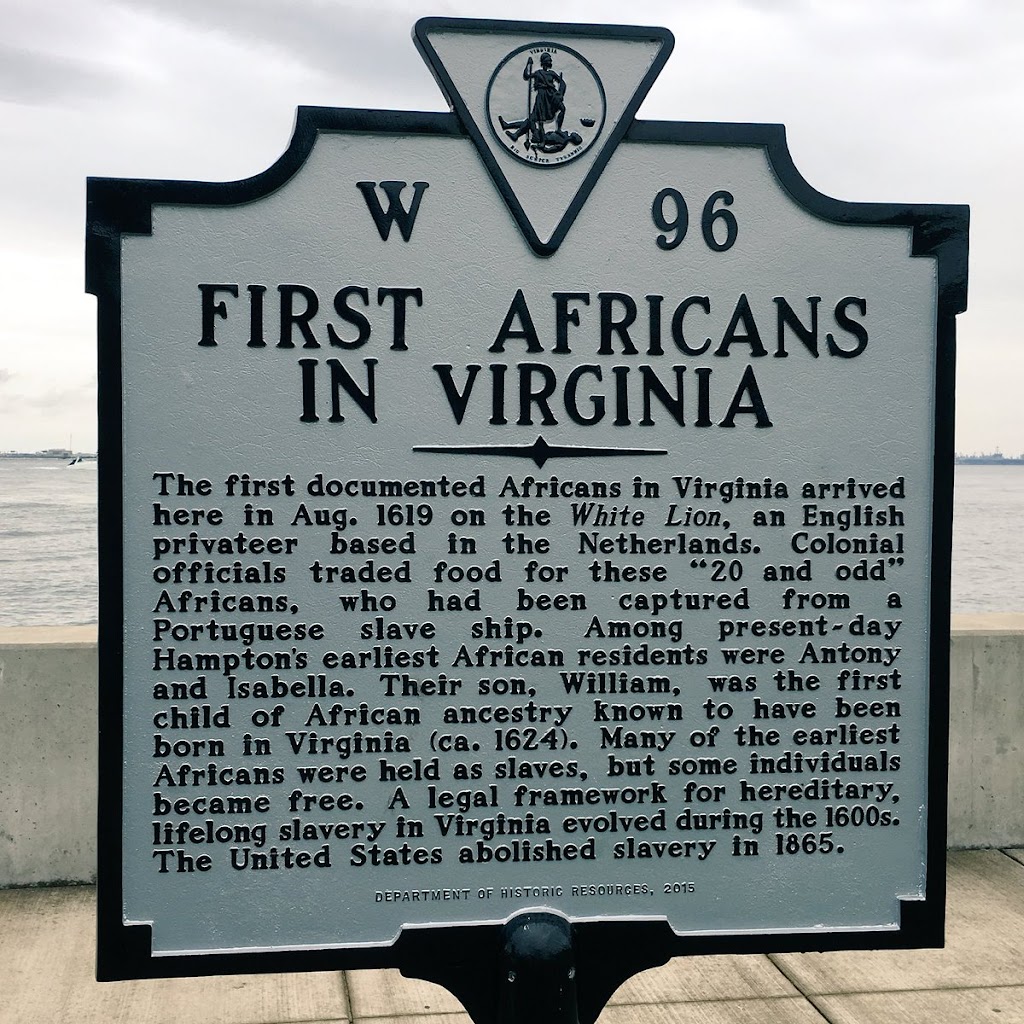
Image result for The first documented Africans in Virginia arrived here in Aug. 1619 on the White Lion, an English privateer based in the Netherlands.


In August 1619, an English ship landed on the shores of Virginia with some 20 African captives aboard. Four hundred years later, the date is being commemorated as the beginning of the age of slavery in North America.

A plaque along the boardwalk in Virginia’s seaside town of Hampton, once known as Point Comfort,  reads:

The first documented Africans in Virginia arrived here in Aug. 1619 on the White Lion, an English privateer based in the Netherlands…

Four hundred years ago, the ship dropped anchor in what was then an English colony. John Rolfe, the plantation owner and official overseeing the colony, who is perhaps best remembered for marrying Pocahontas, noted that it “brought not anything but 20 and odd Negroes”.

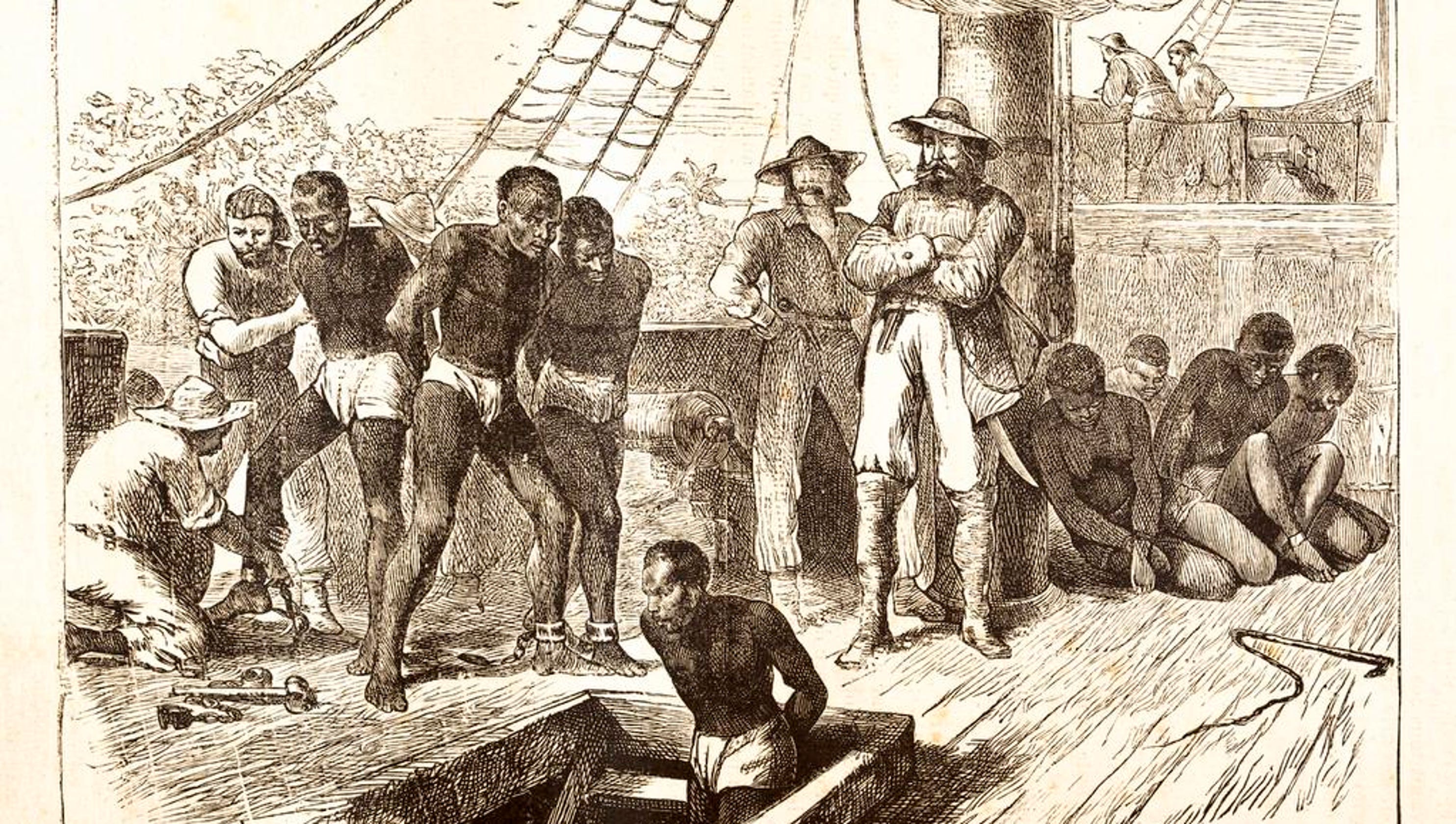
Image result for slave ship

The captives came from the kingdom of Ndongo, in present-day Angola. They were reportedly captured there by Portuguese colonists then driven to the port of Luanda, where they were brought on board the slave ship São João Baptista.

Altogether, the boat carried some 350 enslaved people. As it sailed toward Veracruz, in present-day Mexico, the ship was intercepted by the White Lion. The British crew robbed part of the Portuguese cargo, including a few dozen African captives – among those who had survived the brutal journey thus far. A few days later, it was at Point Comfort that the British vessel finally landed, in the hopes of trading the enslaved Africans for food and supplies.

The exact date of the ship’s landing is not known, but historians have fixed August 1619 as the moment that slavery began in what would become the United States. In the rest of the Americas, however, a forced labor regime was already well under way. Assistant professor of philosophy at Susquehanna University in Pennsylvania, Michael Thomas says:

Prior to the slave trade, indigenous people were enslaved in the Spanish and Portuguese colonies. Enslaved people from Africa were brought over to reinforce their numbers.

Spanish conquistadors had already brought African slaves to the Caribbean island of Hispaniola (today shared between Haiti and the Dominican Republic) as early as 1502. In 1526, a Spanish expedition also brought African captives to present-day South Carolina, almost a century before the date of the Virginia landing now considered the birth of slavery on the continent. However, the settlement there was abandoned the following year after the Africans rebelled.

Image result for slave ship


Filed Under: Africa, Anniversary, History, Jamaica Tagged With: Africa, Jamaica, Slavery

Footer

Stay Up To Date! Sign Up!

  • Events
  • TV EPISODES
  • Artist Interviews
  • Blog
  • Contact Us

Copyright © 2026 · Reggae In Seattle